Stabat Mater Dolorosa
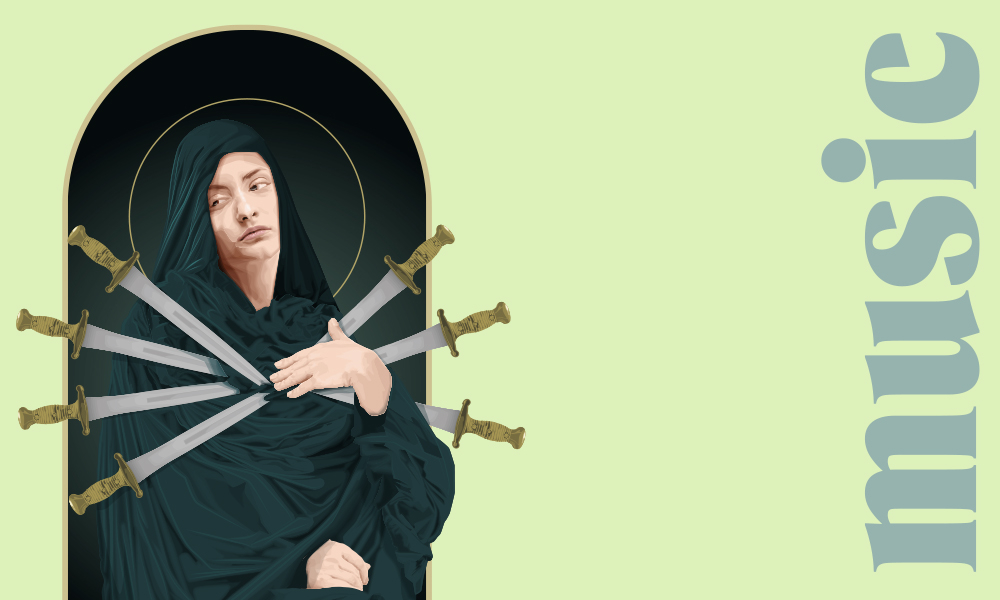
September is traditionally dedicated to Our Lady of Sorrows, inviting Catholics to contemplate a mother who did not flee from suffering, but stood faithfully beneath the Cross. Few hymns draw us into this mystery as powerfully as the Stabat Mater Dolorosa.
September is traditionally dedicated to Our Lady of Sorrows, inviting Catholics to contemplate a mother who did not flee from suffering, but stood faithfully beneath the Cross. Few hymns draw us into this mystery as powerfully as the Stabat Mater Dolorosa.
The hymn begins simply: “The sorrowful Mother was standing.” Mary does not speak. She stands. Its ancient melody, moving with solemn restraint, allows the text to unfold slowly, giving us time not merely to think about Calvary, but to imaginatively place ourselves there. We are invited to see Christ through the sorrow of His Mother and, ultimately, to ask that His suffering transform our own hearts.
This is precisely where sacred music becomes prayer. Sacrosanctum Concilium calls the Church’s musical tradition a “treasure of inestimable value,” while Tra le sollecitudini insists that sacred music possess holiness and true artistic beauty. Musicam Sacram reminds us that participation in the liturgy is also interior: the heart and mind must enter the sacred action. De Musica Sacra similarly recognizes sacred hymns as being capable of fostering Christian devotion.
When we sing or prayerfully listen to the Stabat Mater Dolorosa, we learn from Mary how to remain with Christ. Sometimes deeper prayer begins not with finding the right words, but simply with standing at the foot of the Cross.