Handel’s “Hallelujah Chorus”
Handel’s “Hallelujah Chorus” is often sung after Christmas Mass, yet it was written to conclude Part II of Messiah, which contemplates Christ’s passion, death, and resurrection. It is not merely festive music, but a musical proclamation of the paschal mystery.
Handel’s “Hallelujah Chorus” is often sung after Christmas Mass, yet it was written to conclude Part II of Messiah, which contemplates Christ’s passion, death, and resurrection. It is not merely festive music, but a musical proclamation of the paschal mystery.
The chorus builds like a rising tide: short, repeated phrases and layered entrances that sound like a multitude becoming one voice. The text comes from Revelation — “for the Lord God omnipotent reigneth”— and the music embodies Catholic worship itself: earthly voices joining the heavenly liturgy.
The Church has long understood music as a theological instrument. Sacrosanctum Concilium, the Constitution on the Sacred Liturgy, teaches that sacred music is integral to worship, fostering unity and elevating prayer. Musicam sacram, the Instruction On Music In The Liturgy, insists music must support participation — not merely singing, but the interior offering of the heart. Tra le sollecitudini, The Instruction on Sacred Music by Pope Pius X, demands that sacred music embody holiness and noble beauty, while De Musica Sacra, the Encyclical of Pope Pius XII on Sacred Music, insists that true sacred music should lead the faithful toward reverence, not distraction.
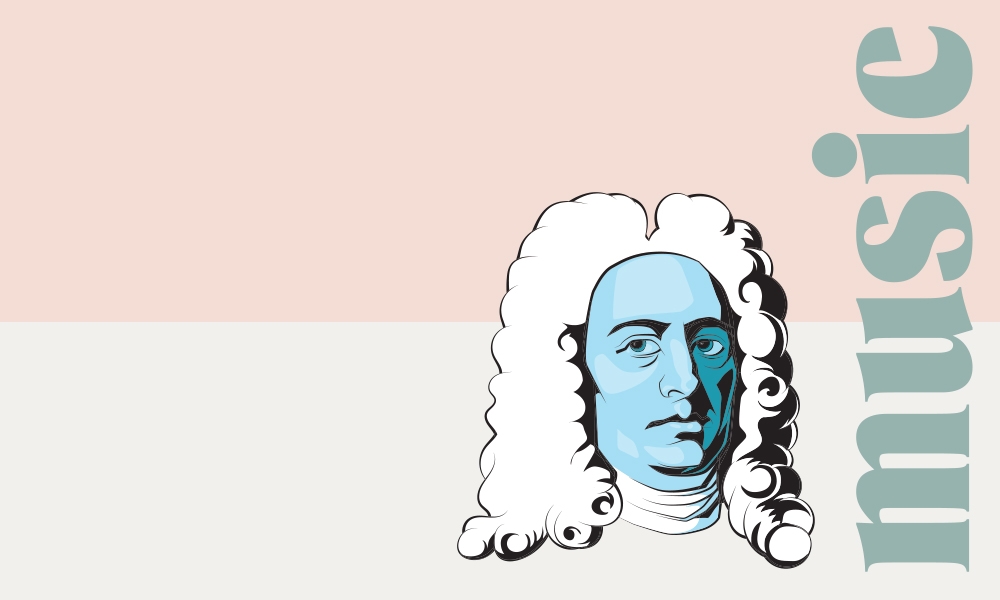
When Handel completed “Hallelujah,” he tearfully told his servant, “I did think I did see all heaven before me, and the great God himself seated on his throne, with his company of angels.” Perhaps he said this because the chorus gives the soul an audible glimpse of that throne.